

What is a Managed Float and Why Does Malaysia Use One
Explores how BNM maintains flexibility while allowing market forces to influence the ringgit’s value against other currencies
Read MoreLearn how Malaysia’s managed float regime, current account dynamics, BNM reserves, and trade-weighted indices shape currency valuation in real markets
Currency exchange rates don’t move randomly. They respond to economic forces — some obvious, others subtle. This collection covers the practical concepts you need to understand ringgit movements and what drives Malaysian currency valuations. Whether you’re interested in how the Bank Negara manages the float or why current account balances matter, we’ve organized the fundamentals here.
Practical guides to currency fundamentals in Malaysia
Explores how BNM maintains flexibility while allowing market forces to influence the ringgit’s value against other currencies
Read More
How trade deficits and surpluses affect demand for the ringgit and what you should know about Malaysia’s account position
Read More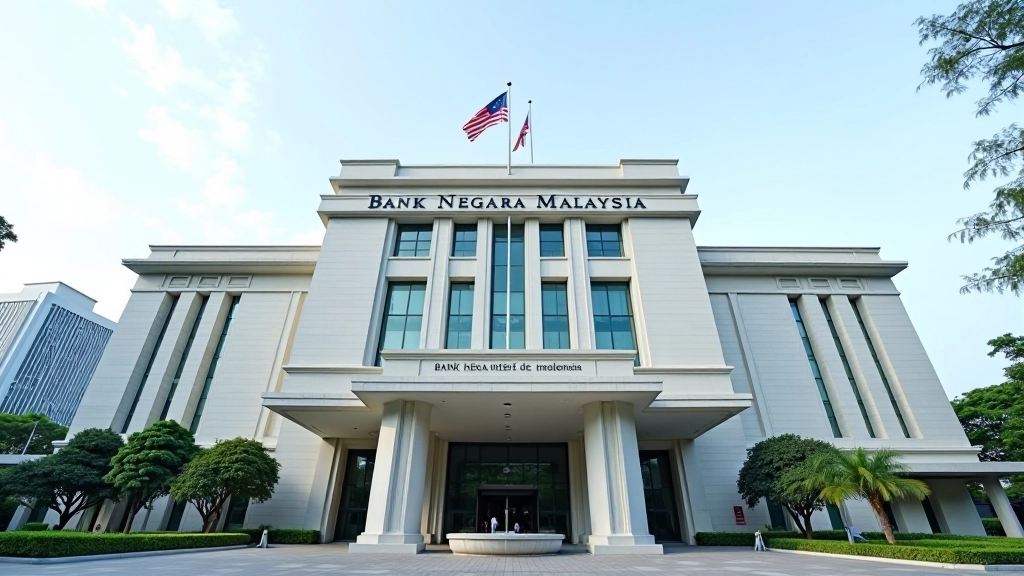
Understanding how Malaysia’s foreign exchange reserves provide stability and what they reveal about currency strength
Read More
How to interpret the TWEI and why it matters more than simple bilateral exchange rates for understanding ringgit competitiveness
Read MoreThe ringgit’s value fluctuates based on supply and demand in foreign exchange markets. When international investors want Malaysian assets, demand for ringgit increases. When Malaysia imports more than it exports, demand for foreign currency increases relative to the ringgit. The BNM doesn’t fix the rate but does intervene to prevent excessive volatility.
This theory suggests exchange rates should adjust so that the same goods cost the same in different currencies. If inflation in Malaysia rises faster than in trading partners, the ringgit should weaken. In reality, it’s one factor among many — interest rates, capital flows, and political events matter too.
Money moving in and out of Malaysia affects the ringgit significantly. When foreign investors buy Malaysian bonds or stocks, they need ringgit, strengthening the currency. When Malaysian investors move money overseas, the opposite happens. These flows can be just as important as trade in determining short-term movements.
Higher interest rates in Malaysia attract foreign investors seeking better returns, increasing ringgit demand. Lower rates push investors to look elsewhere. The gap between Malaysian and US interest rates, for example, influences how the ringgit performs against the dollar.
Making sense of currency data in real situations
Start by following Malaysia’s official economic data. The BNM releases monthly foreign reserve figures, and the Department of Statistics publishes current account data quarterly. These aren’t abstract numbers — they directly influence what happens to the ringgit. When reserves drop, markets worry about currency stability. When the current account improves, it suggests stronger demand for ringgit.
The ringgit doesn’t move in isolation. Watch how it performs against the Thai baht, Philippine peso, and Indonesian rupiah. If the ringgit weakens while regional peers stay stable, that tells you something specific about Malaysia. It’s not just a global dollar movement — it’s a Malaysia story. The trade-weighted index helps here by showing your currency against all major partners simultaneously.
When the BNM changes interest rates or makes statements about currency policy, pay attention to the language. They’re usually careful not to shock markets. If they signal concern about ringgit movements, they might intervene. Understanding their framework — the managed float — helps you anticipate their moves and how markets will react.
Political changes, trade negotiations, or commodity price swings affect the ringgit. But understanding the fundamentals lets you separate noise from signal. A temporary trade dispute might cause a blip, but if Malaysia’s underlying current account position is strong, the currency shouldn’t weaken much. Fundamentals provide the foundation for interpreting daily movements.